I have always seen straight razor shaving as more than a grooming task. It feels calm, precise, and deeply personal. The first time I watched a skilled barber guide the blade with steady hands, I understood why this method still earns respect. It is old-fashioned in the best way, yet it still fits modern self-care.
At places shaped by the same care for style and belonging, such as Underground One, this kind of shave makes sense. It joins technique, comfort, and identity in one service. When I think about a classic, smooth shave, I do not think only about the result. I think about the ritual that gets you there.
A straight razor shave rewards patience.
Why this shave still stands out
A straight razor shave removes hair very close to the skin with one exposed blade. That simple design changes the whole experience. I notice less pulling when the blade is sharp and the skin is well prepared. I also find that the shave feels more deliberate, which helps me slow down and pay attention.
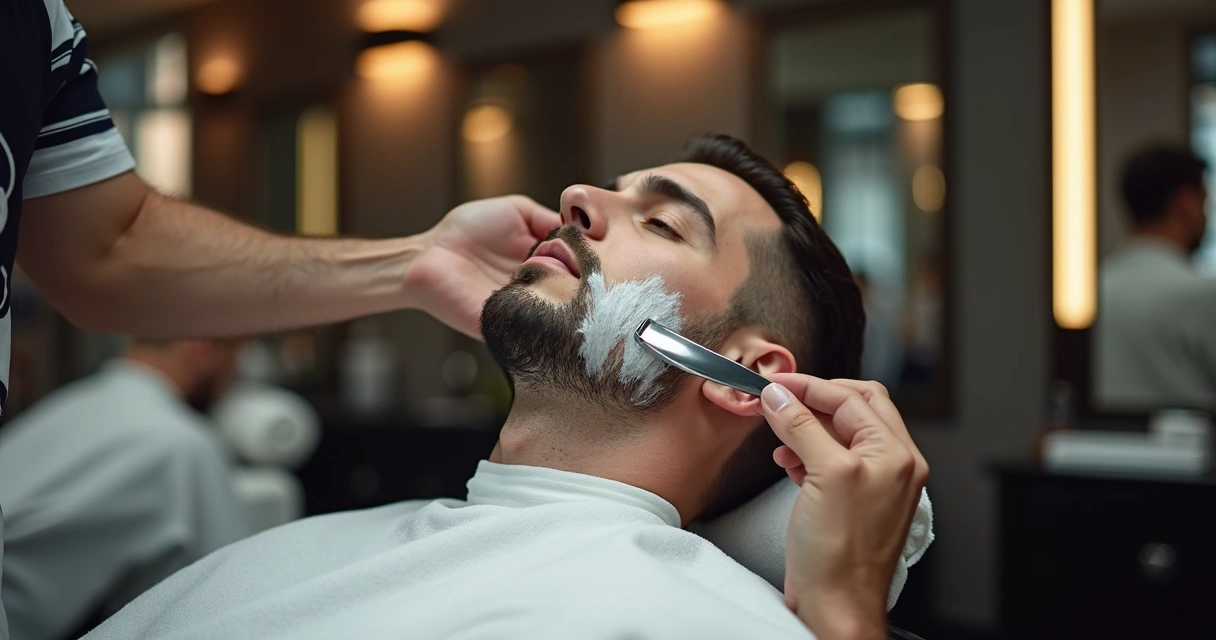
A straight razor shave is a close, controlled shave done with a single exposed blade.
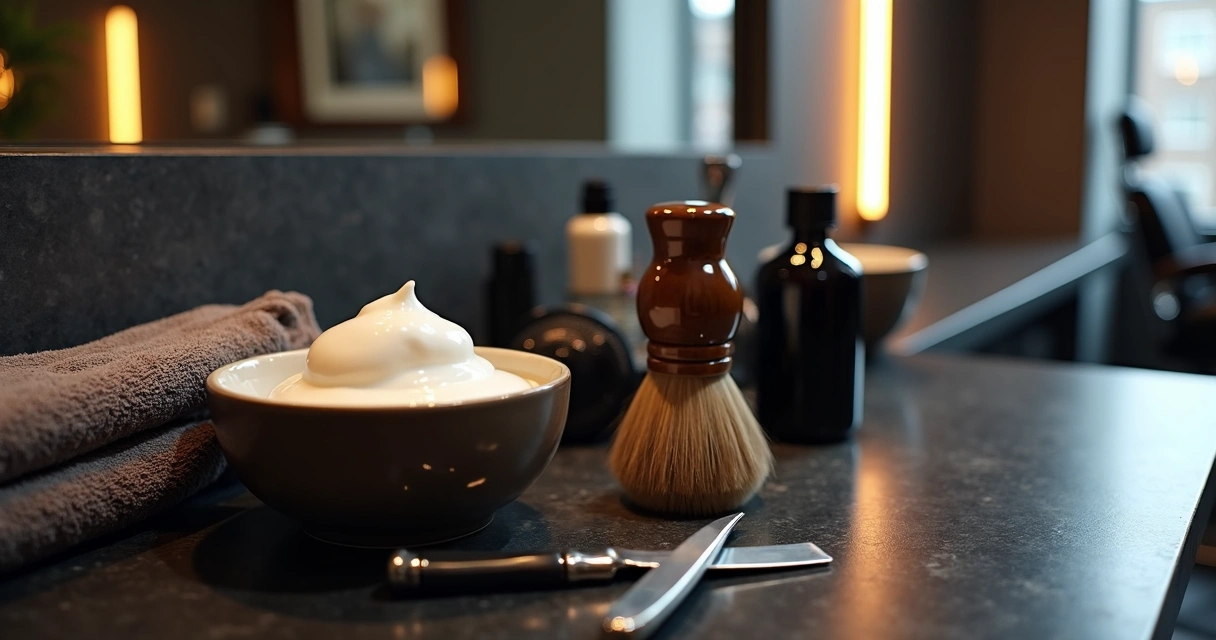
There is also a visual appeal to it. The blade, the brush, the warm lather, the towel. It all creates a sense of care that many people miss in rushed morning routines. In my view, that is part of why classic barber services still matter.
If you enjoy learning more about grooming culture and service experiences, I suggest visiting the Underground author page for more brand context and editorial content.
What I prepare before the first stroke
I never start with the blade. I start with preparation, because the skin and beard need to soften first. A dry beard fights back. A softened beard gives way much more easily.
Before shaving, I gather a few basic items:
- A clean straight razor with a sharp edge
- Shaving brush and shaving soap or cream
- Warm water and a towel
- A mirror with good lighting
- Aftershave balm or a soothing moisturizer
Then I prep the face with warm water for a few minutes. Sometimes I press a warm towel over the beard area. I have found this small step makes a big difference in comfort. After that, I build a rich lather and apply it in circles with the brush to lift the hairs.
Good prep softens the beard, cushions the skin, and lowers the chance of nicks.
How I hold the razor
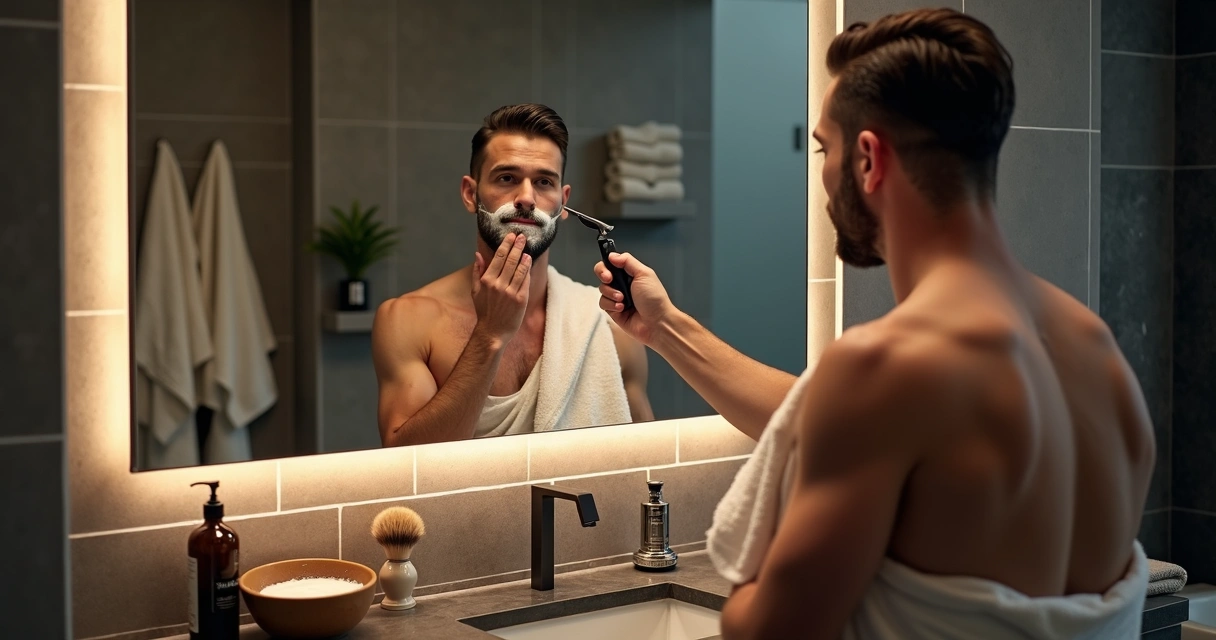
This is where many beginners feel tense. I did too. The key is not to grip the razor too hard. I hold it with a light, steady grip and keep the blade at roughly a 30-degree angle to the skin. Too flat, and it may not cut well. Too steep, and it may scrape or cut.
My other hand stretches the skin. That part often gets overlooked, but stretched skin gives the blade a flatter surface and helps the shave stay even.
I also shave in short strokes. Long strokes may look smooth, but they are harder to control when you are still building skill.
My step-by-step shaving process
Once the beard is softened and the razor is ready, I follow a simple order. This keeps me focused and lowers mistakes.
Here is the sequence I trust:
- Apply warm lather evenly across the beard area.
- Start with the cheeks, where the surface is flatter and easier to read.
- Shave with the grain using short, light strokes.
- Rinse the blade often to keep the edge clear.
- Move to the sideburns, jawline, upper lip, and chin with extra care.
- Reapply lather before any second pass.
- If needed, make a gentle pass across the grain, not against it at first.
I leave the neck for later because the hair pattern there can be tricky. I always check the direction of growth first. If the grain changes from one patch to another, I adjust. That small habit has saved my skin more than once.
When I think of the standard that places like Underground One aim to create, this is part of it. Not speed for its own sake, but method, comfort, and clean execution.
Common mistakes I try to avoid
Even a good blade can give a poor shave if the technique is careless. I have learned that most trouble comes from rushing.
These are the mistakes I watch for:
- Using too much pressure
- Shaving over dry or half-dry lather
- Holding the blade at a steep angle
- Ignoring the direction of hair growth
- Trying too many passes on irritated skin
The blade should glide, not dig into the skin.
If I feel tugging, I stop and check the edge, the angle, or the lather. Forcing the shave almost never ends well. A straight razor asks for attention, and in return it gives a refined result.
If you like reading practical grooming notes, you may also enjoy this related post, along with another grooming article and one more barbershop-related read.
Aftercare matters more than many think
When the shave is done, I rinse with cool water to remove leftover lather and help calm the skin. Then I pat the face dry with a soft towel. I do not rub. Freshly shaved skin can react fast.
After that, I apply a soothing balm or light moisturizer. If there is any tightness, a simple alcohol-free product often feels better. The goal is to calm the skin, not shock it.
I also clean and dry the razor right away. Moisture can damage the blade over time. I learned early that blade care is part of skin care. A poorly kept razor does not stay kind to the face.
Who should try it
In my experience, a straight razor shave suits people who value a close finish and enjoy a slower grooming ritual. It can also be a great professional service for those who want the feel of classic barbering without handling the blade on their own.
That is one reason I see strong value in a space like Underground One. It connects personal care with skill and atmosphere. For many people, that combination turns a simple shave into a full experience.
If you want to browse more site content by topic, you can use the content search page to find what matches your interests.
Final thoughts
I think a straight razor shave remains special because it asks for presence. You slow down, prepare well, respect the blade, and finish with skin that feels clean and smooth. It is not just about removing hair. It is about how the process makes you feel.
If you want to experience that level of care for yourself, get to know Underground One and book a service that brings classic technique into a modern, welcoming setting.
Frequently asked questions
What is a straight razor shave?
A straight razor shave is a shave done with a single exposed blade that folds into its handle. I see it as a traditional method that gives a very close finish and demands more control than cartridge shaving.
How to use a straight razor safely?
I use a straight razor safely by preparing the skin with warm water and lather, keeping the blade at about a 30-degree angle, stretching the skin, and shaving with short, gentle strokes. I also avoid pressure and never rush.
What do I need for straight razor shaving?
You need a straight razor, a strop or properly maintained edge, shaving soap or cream, a brush, warm water, a towel, and aftershave care. In my view, good lighting and a calm setup help just as much.
Is straight razor shaving better than modern razors?
I think it depends on what you want. A straight razor can give a closer and more traditional shaving experience, while modern razors may feel faster and easier for daily use. Better is often a matter of skill, skin type, and personal taste.
How often should I sharpen my straight razor?
I usually think of sharpening as occasional and stropping as regular. Most straight razors need stropping before each shave, while full sharpening depends on how often the razor is used and how the edge performs. If the blade starts to pull even after proper stropping, it may be time to sharpen it.