If your haircut used to look sharp and now needs a hat, extra product, and ten minutes of negotiation every morning, it is probably time to book. This guide is for anyone who wants an easy way to tell when their style has grown out, plus a realistic plan for staying ahead of the mess. At Underground One, we see the same pattern all the time: people wait too long, then wonder why getting ready suddenly feels harder.
The good news is that the signs are usually obvious once you know what to look for. A timely trim does more than clean up your look. It saves time, keeps your style intentional, and helps you feel like yourself again.
Key signs it is time to book
- Your fade, taper, fringe, or layers no longer hold their original shape.
- You keep reaching for a hat because your hair only looks presentable when it is covered.
- Styling takes longer than it did a few weeks ago, and the result still feels off.
- Your neckline looks fuzzy, uneven, or overgrown from the back.
- You keep saying, “I will book tomorrow,” and tomorrow has turned into three weeks.
- Your routine feels harder, even though your products and styling method have not changed.
When your haircut loses shape, that is your biggest clue
The clearest sign is simple: your haircut stops looking like the haircut you asked for. A fade starts to blur together, a crop gets bulky at the sides, curls lose definition around the outline, or longer layers begin to sit awkwardly. When the structure disappears, your whole look can feel accidental instead of polished.
This matters because shape is what makes a haircut easy to wear. Once it grows past its ideal point, you are no longer maintaining a style. You are managing overgrowth. That is why a cut that looked great two weeks ago can suddenly feel impossible, even if your hair is still clean and healthy.
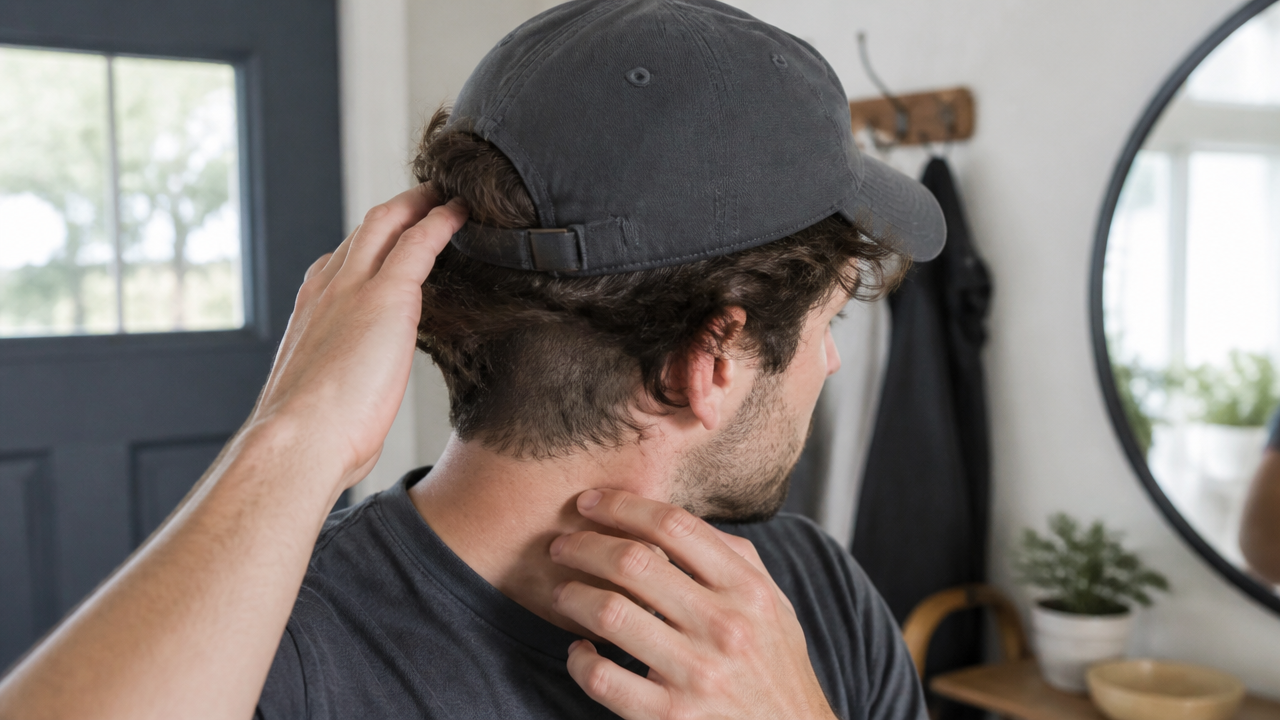
If you catch yourself pushing the sides down, fluffing the top up, or checking the mirror from three angles before leaving the house, the shape has probably gone. Booking before it gets worse keeps maintenance simple and helps your barber or stylist refine the cut, rather than rescue it.
If a hat has become part of your emergency routine, take the hint
Wearing a hat is not the issue. Needing one to feel put together is. If your first thought before errands, work, or coffee is, “I can fix this with a cap,” your haircut is probably past its best moment.
This usually happens when the front starts falling differently, the crown gets flat, or the sides puff out in a way that product cannot control. The hat becomes less of a style choice and more of a backup plan. A fresh cut brings your options back, whether you want to wear your hair natural, styled, or tucked under a beanie now and then.
At Underground One, that is often the turning point people mention during check in. They are not unhappy with their hair in theory. They are just tired of negotiating with it every day.
More styling time usually means the cut has outgrown your routine
If your morning routine has quietly doubled, that is a practical sign you are overdue. Hair that used to fall into place now needs blow drying, reshaping, extra paste, or repeated fixes throughout the day. You are spending more effort for a worse result.
This happens because grown out hair changes weight and balance. Extra length around the edges can drag the style down, while bulk in the wrong spots makes volume harder to control. Even a great product cannot fully compensate for a shape that is no longer working.
A haircut should support your routine, not create a longer one. If you want low stress grooming, the best move is usually not more product. It is a cleaner outline, better weight removal, and a shape that matches how you actually style your hair on a normal weekday.
An overgrown neckline makes the whole look feel less polished
You might not notice the back every day, but other people do, and cameras definitely do. A fuzzy neckline, uneven growth at the nape, or stray hair around the ears can make an otherwise solid style look tired fast. This is one of the quickest ways a haircut starts to read as overdue.
The neckline matters because it frames the haircut from behind. Clean edges make the entire cut feel fresh. Once those edges soften too much, your style loses that finished look, even if the top still seems mostly fine.
If you wear shorter cuts, tapers, fades, or anything with a defined outline, this detail shows up even sooner. A quick cleanup can buy you time, but if the top and sides have also grown out, it is usually smarter to schedule the full appointment.
If you keep saying you will book tomorrow, you already know the answer
Most people do not wake up one day shocked that they need a haircut. They know for a while, then keep pushing it off. If you have said, “I should book this week,” more than once, that hesitation is usually the proof.
Delaying tends to create a bigger reset than you wanted. Instead of a small maintenance visit, you end up needing a more noticeable change because the cut has drifted so far from its original shape. That can feel more disruptive, especially if you like consistency.
The easier move is to book while things still look mostly good. Maintenance appointments are faster, less stressful, and better for keeping your personal style consistent. That is especially true if you rely on your haircut to feel confident at work, in photos, or in social settings.
How often should you get a haircut?
The right schedule depends on your haircut, hair texture, and how crisp you want it to look. If you like a very clean finish, shorter gaps work better. If you wear longer, softer shapes, you can stretch appointments further without things looking off.
| Haircut type | Best booking rhythm | Who it suits |
|---|---|---|
| Skin fade, sharp taper, buzz cut | Every 2 to 3 weeks | Anyone who wants clean edges and a precise finish |
| Classic short cut, crop, textured top | Every 3 to 5 weeks | People who like structure with moderate upkeep |
| Medium length shape, longer top, layered cut | Every 5 to 8 weeks | People who want movement and a softer grow out |
| Long hair with light reshaping | Every 8 to 12 weeks | People focused on healthy ends and subtle maintenance |
If you are not sure where you fit, ask your barber or stylist to recommend a schedule based on your growth pattern and how much maintenance you honestly want. At Underground One, that conversation is part of building a routine that feels realistic, not aspirational.
What is the easiest way to stay on schedule?
The easiest system is to rebook before you leave or set a simple recurring reminder the same day as your appointment. Do not wait until your hair feels unmanageable. That usually means you are already late.
Build a routine that is easy to keep
- Choose a haircut rhythm that matches your lifestyle, not your ideal self.
- Book your next visit before the current one grows out too far.
- Use calendar reminders every 3, 4, or 6 weeks, depending on your cut.
- Plan around work events, travel, weddings, and school photos.
- Ask for a maintenance cleanup if you need a small reset between full cuts.

A regular grooming schedule is not about being high maintenance. It is about reducing friction. When your haircut stays within its best range, getting ready is faster, your style looks more intentional, and you spend less mental energy trying to fix what a good appointment would solve in one go.
Frequently asked questions
What is the 7 day haircut rule?
The 7 day haircut rule is a simple idea, not a formal salon standard. It usually means waiting about a week before judging a new cut, especially if it feels unfamiliar at first. Give yourself a few washes and normal styling days before deciding whether you truly like it.
What is the 3:2:1 rule for haircuts?
The 3:2:1 rule is an informal way some people time grooming visits. A common version is 3 weeks for very short cuts, 2 months for medium shapes, and 1 quarter for longer, low maintenance hair. It is a helpful guideline, but your texture and style goals matter more.
Does cutting your hair make you look older or younger?
A haircut can make you look younger or older depending on shape, length, and upkeep. Most people look fresher when their hair has clear lines, healthy ends, and a style that suits their face shape. The biggest factor is not short versus long, it is whether the cut looks intentional.
How do I know if a haircut will look good on me?
A haircut usually looks good on you when it matches your hair texture, daily routine, and the amount of styling you actually want to do. Bring reference photos, be honest about maintenance, and ask your barber or stylist what works for your face shape and growth pattern.
What should I say when asking for a haircut?
Tell your barber or stylist what you like, what annoys you, and how much time you spend styling each morning. It helps to mention details such as wanting cleaner sides, less bulk, a sharper neckline, or more movement on top. Reference photos can make the conversation even easier.