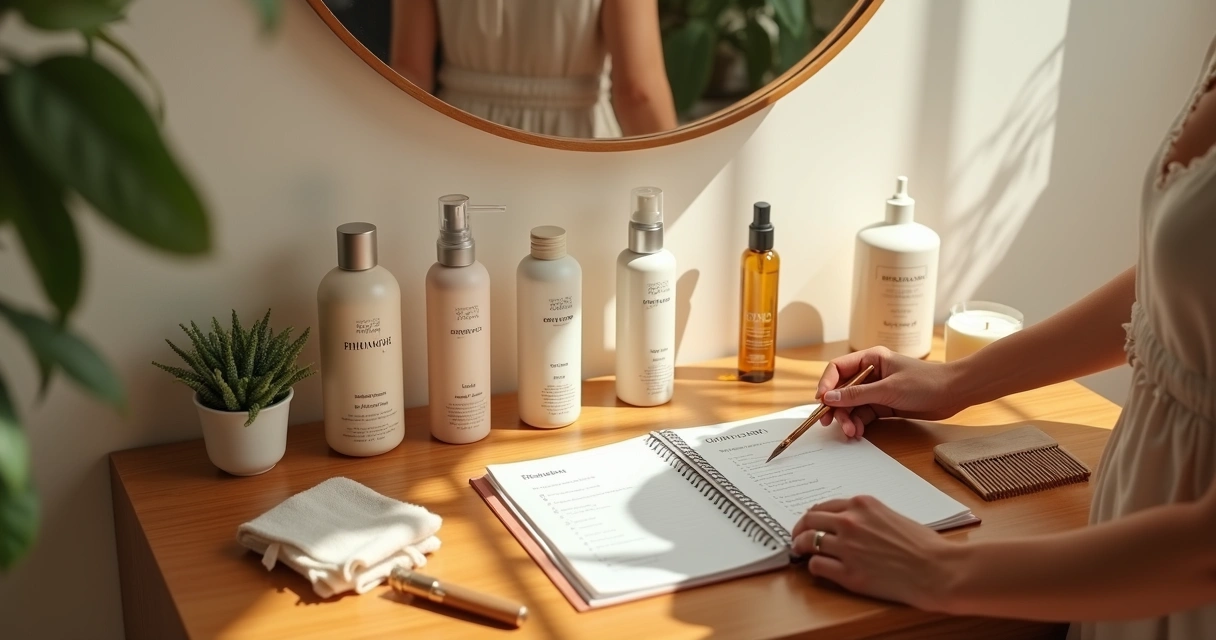
I have seen many people make haircare feel harder than it needs to be. A shelf full of products can look impressive, but a good routine at home is usually simple. What works best, in my experience, is a plan that fits your hair type, your schedule, and your budget. If the routine feels too long, most people stop. If it feels easy, they keep going.
A home haircare routine should be simple, steady, and based on what your hair really needs.
I learned this after trying too many steps at once. My hair did not get better. It just got confused, dry in some places and heavy in others. Once I cut the routine down, I started to see more shine, better texture, and less breakage.
That same balanced view is part of what makes spaces like Underground One feel current and welcoming. The idea is not to chase perfection. It is to care for yourself in a way that feels real and personal.
Start with your hair type
Before I buy anything, I ask a basic question. What is my hair like today, not what I wish it looked like? Hair can be straight, wavy, curly, or coily. It can also be fine, thick, oily, dry, color-treated, or damaged by heat. These details change what your routine should look like.
If your scalp gets oily fast, you may need lighter products and more frequent washing. If your hair feels dry or rough, you may need richer care and less washing. If you color your hair, gentle formulas help the color last longer.
Know your hair first.
I think this step saves time and money. It also helps you avoid buying products that sound good but do not suit your hair.
Build the basic routine
I like to think of a home haircare routine in four parts. Cleanse, condition, protect, and treat. You do not need ten products to do this well.
The basic setup often includes:
- A shampoo that matches your scalp type
- A conditioner that suits your hair length and texture
- A leave-in product or light oil for moisture and control
- A heat protectant if you use a dryer, iron, or curler
- A weekly mask if your hair feels dry, weak, or dull
Most people only need a few well-chosen products to build a solid routine at home.
I have found that this structure works for almost everyone. You can add more later if you have a specific need, but this is a good place to begin.
Choose a wash schedule that makes sense
One of the biggest questions I hear is how often to wash hair. There is no single answer. I prefer to look at scalp comfort, oil level, and lifestyle. If you exercise often, live in a hot place, or have a very oily scalp, you may wash more often. If your hair is curly, dry, or thick, you may wash less often.
A simple way to decide is to watch for these signs:
- Your scalp feels itchy or heavy
- Your roots look greasy
- Your hair has lost shape and movement
- There is product buildup
For many people, washing two to three times a week works well. Others may need more or less. I do not think it helps to force a schedule that leaves your scalp uncomfortable.

Wash the right way
I used to think washing meant scrubbing all of the hair. It does not. Shampoo is mostly for the scalp, where oil and buildup collect. Conditioner is for the lengths and ends, where hair tends to be drier.
Here is the order I like:
- Wet hair well with lukewarm water.
- Apply shampoo to the scalp and massage gently.
- Rinse fully before repeating only if needed.
- Apply conditioner from mid-length to ends.
- Leave it on for a few minutes, then rinse.
Lukewarm water and gentle handling help keep hair smoother and the scalp calmer.
Hot water can leave hair feeling dry. Rough towel drying can also cause frizz and breakage. I prefer to press out water with a soft towel instead of rubbing.
If you enjoy learning small care habits, I suggest taking a look at the articles by Underground One. I like how this kind of guidance connects personal care with a more thoughtful daily routine.
Add one treatment day
This is where many routines improve. A weekly treatment can support moisture, softness, and strength without making your routine too long. I usually pick one focus per week instead of trying to fix everything at once.
You can rotate based on what your hair needs:
- Use a moisturizing mask if hair feels dry or rough
- Use a strengthening treatment if hair breaks easily
- Use a scalp treatment if there is buildup or discomfort
I noticed better results when I stayed consistent for a few weeks. One mask will not change everything overnight. Small care, done often, tends to work better.
Protect hair between wash days
A lot of hair damage happens outside the shower. Heat tools, sun, tight hairstyles, and even rough pillowcases can affect how hair looks and feels. I try to keep my in-between care simple.
These habits help:
- Use a heat protectant before styling
- Avoid pulling hair too tightly every day
- Detangle from the ends upward
- Sleep with hair loosely tied if it tangles easily
There was a time when I ignored these details. My ends looked tired all the time. Once I changed these small habits, the difference was clear.

Keep your routine realistic
I think the best routine is the one you can repeat without stress. A five-step plan you follow every week is better than a twelve-step plan you quit after four days. This is why I like the home care view so much. It can fit real life.
If you want fresh ideas, you can browse more hair and self-care topics here. You may also enjoy related reads like this post on personal care habits, this guide with practical beauty tips, and this article on building better care routines.
Underground One brings together beauty, self-expression, and care in a way that feels current and human. I like that idea because haircare is not only about appearance. It is also about how we feel when we take a little time for ourselves.
Conclusion
Setting up a home haircare routine does not need to be complicated. I would start by understanding your hair type, choosing a gentle shampoo and conditioner, adding one product for protection, and using a treatment once a week if needed. Keep the routine light, steady, and easy to follow. That is usually what brings the best long-term results. If you want to take your routine further and experience care in a more personal and welcoming way, get to know Underground One and discover services and spaces made for real self-care and connection.
Frequently asked questions
What are the basics of haircare routine?
The basics, in my view, are simple. Cleanse the scalp with shampoo, condition the lengths and ends, protect the hair from heat, and add a weekly treatment if your hair needs extra care. A routine works best when it matches your hair type and stays easy to follow.
How to choose the right shampoo?
I choose shampoo based on my scalp first. If the scalp is oily, I go for a lighter cleansing formula. If it feels dry or sensitive, I choose a gentler one. If hair is color-treated or damaged, I look for a shampoo that cleans without leaving the hair stripped.
How often should I wash my hair?
That depends on your scalp, texture, and routine. In my experience, oily scalps often need more frequent washing, while dry, curly, or thicker hair usually needs less. Many people do well with two to three washes a week, but comfort and buildup should guide the choice.
What products do I really need?
Most people only need a shampoo, a conditioner, and one leave-in or protective product. If the hair is dry or damaged, I would add a weekly mask. You do not need a large collection to get good results at home.
How can I treat damaged hair?
I treat damaged hair by reducing heat, handling it gently, and adding a weekly mask or strengthening treatment. Trimming split ends also helps the hair look better and feel smoother. Progress usually comes from steady care, not from doing too much at once.