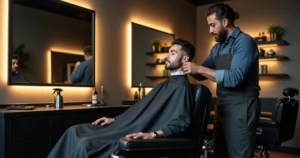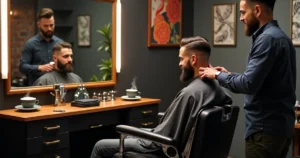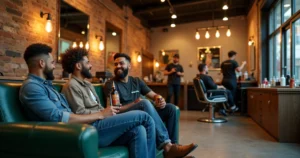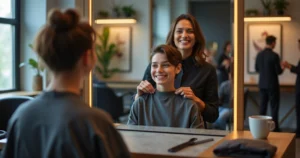
When I walk into a beauty space, I notice the feeling before I notice the mirror. I see the entrance, the seating, the sounds, the lighting, and how people are greeted. In my experience, design is never just decoration. It tells people if they belong.
Inclusive design in beauty spaces means creating environments where more people can feel safe, seen, and comfortable.
That idea matters more now because beauty is no longer tied to one look, one age group, one body type, or one way of living. Modern clients expect more. I think they should. A salon, barbershop, spa, or academy should welcome people as they are, not ask them to fit a narrow standard first.
At Underground One, this view makes sense because the brand connects personal care, self-expression, art, and community. That kind of space does not work well if the design only serves a few people. It works when different people can enter, settle in, and feel respected from the first minute.
It starts before the service
I once visited a well-designed studio that looked beautiful in photos. In person, it felt cold. The chairs were stylish but hard to use. The music was too loud to speak easily. The front desk was high and closed off. Nothing was openly rude, yet the message felt clear.
Good design can welcome. Bad design can exclude.
That is why inclusive design starts before any haircut, facial, massage, or class begins. It begins at the door and in the small moments around it. A person may be managing mobility needs, sensory sensitivity, anxiety, language barriers, body image concerns, or a simple fear of being judged. I have seen how space can either ease that stress or add to it.
Some design choices that help right away include:
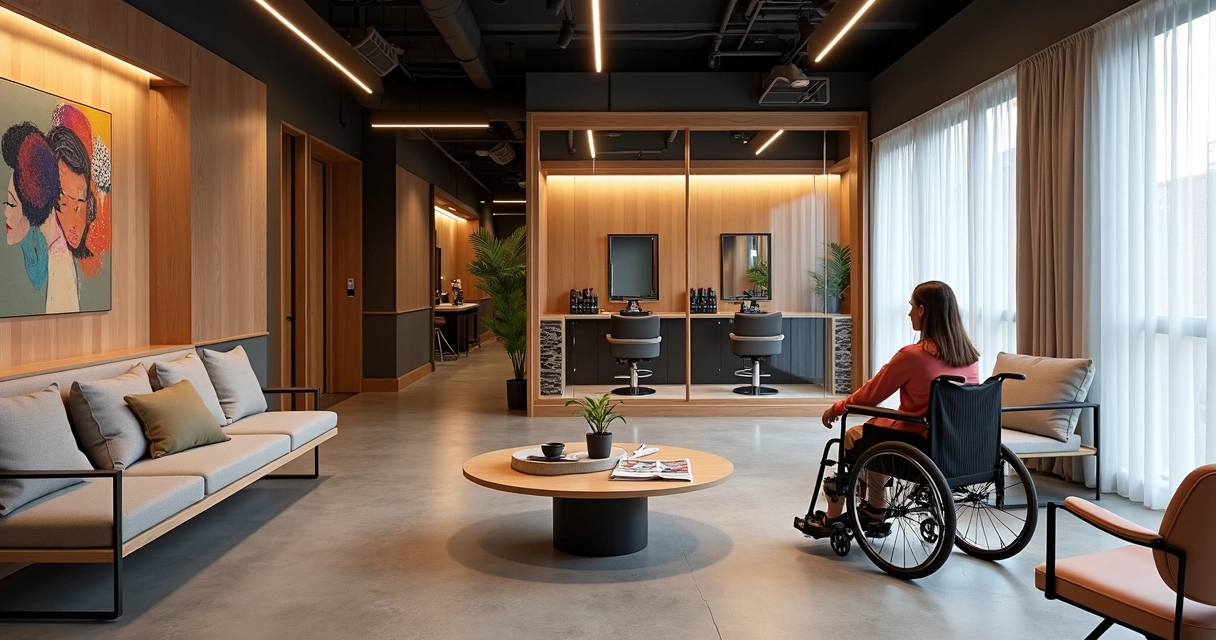
- Step-free entry and clear indoor paths
- Seating with different heights, widths, and support levels
- Calm lighting that helps people see well without feeling harsh
- Reception areas that feel open and easy to approach
- Clear signs for services, restrooms, and waiting areas
These are not extra touches for a small group. They improve the visit for many people, including parents, older adults, first-time clients, and busy professionals.
Inclusion is physical, emotional, and social
Many people hear the phrase inclusive design and think only about wheelchair access. That matters, of course, but I think the idea is wider than that. A beauty space can be easy to enter and still feel unwelcoming.
True inclusion supports access, dignity, privacy, and choice at the same time.
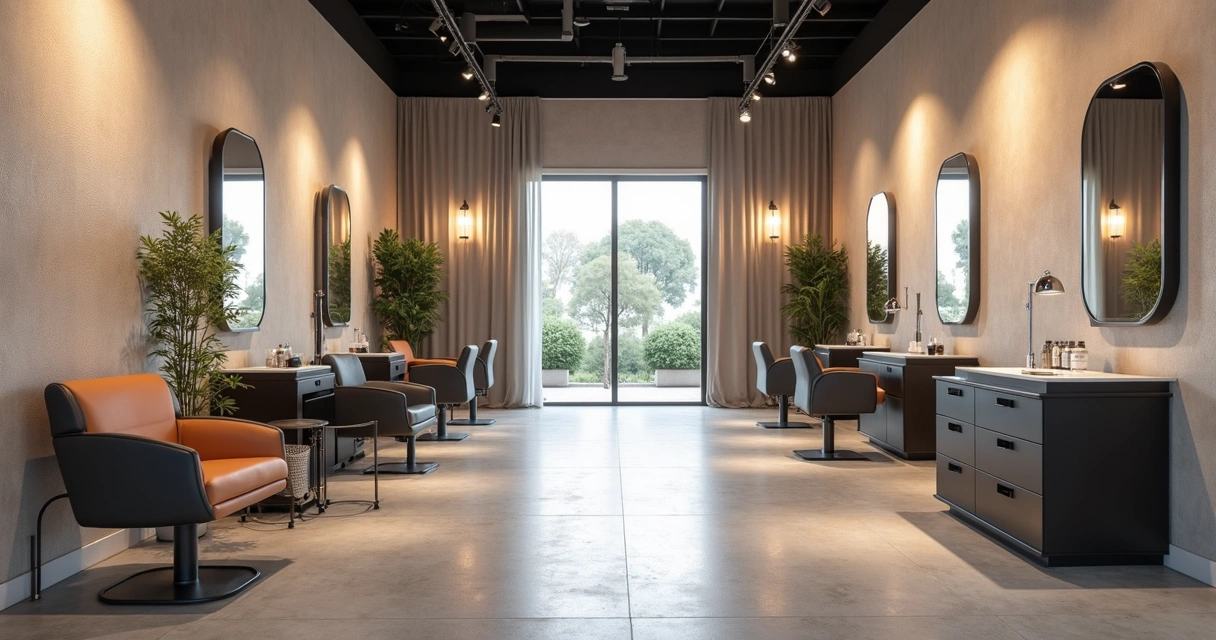
Physical inclusion covers layout, furniture, restroom access, and workstation spacing. Emotional inclusion shows up in how exposed or protected a client feels. Social inclusion appears in language, service menus, staff training, and visual cues across the space.
For example, I think mirrors can be handled with more care than many businesses realize. Some clients enjoy full visibility during a service. Others may prefer softer angles, private stations, or moments without constant reflection. That kind of choice can lower stress in a real way.
The same is true for service menus. If services are grouped only by gender, some people feel pushed into a category before the appointment even starts. A more inclusive approach describes the service itself, such as haircut length, hair type, treatment goal, or time needed.
That is one reason the broader concept behind Underground One stands out to me. When a brand is built around authenticity and belonging, the design should match that promise in practical ways.
Why details shape trust
I have learned that people often decide whether they will come back based on small details. They may not say it that way, but that is what happens. Trust grows through comfort. Comfort grows through thoughtful choices.
Here are a few details that often shape trust in modern beauty spaces:
- Quiet zones or lower-sensory appointment times
- Inclusive product displays that reflect different hair textures and skin needs
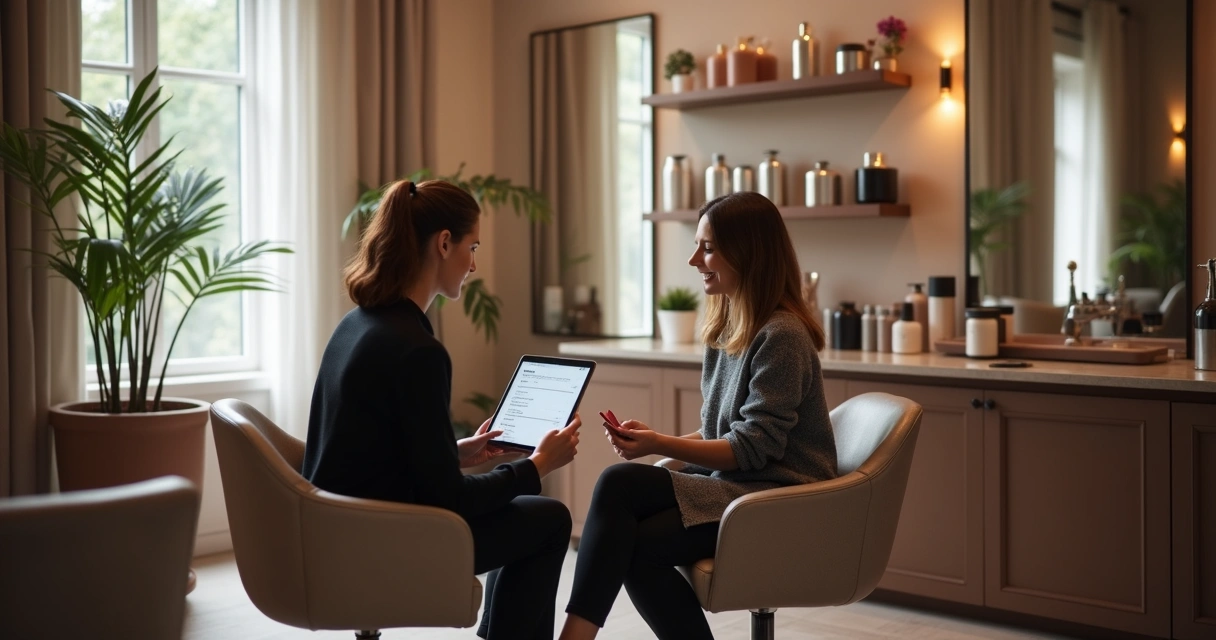
- Private consultation spots for personal conversations
- Staff introductions that avoid assumptions about identity or preferences
- Booking forms with clear and respectful options
I also think inclusive design should appear online, because the customer journey starts long before arrival. Booking systems should be simple to read. Service descriptions should be plain and clear. Contact pages should make it easy to ask for support. In some cases, a search page helps people find exactly what they need without stress, such as the site search.
For readers who like to follow a brand perspective over time, I find that an author page can also build familiarity and trust.
Inclusive design supports better service
Some people treat design and service as separate topics. I do not. In my view, design helps service happen well. If a stylist or therapist works in a space that supports privacy, movement, and ease, the interaction gets better for everyone.
When people feel at ease in a space, they communicate more clearly about what they want.
That leads to better consultations, better outcomes, and better relationships. Clients are more likely to speak honestly about concerns, needs, or limits. Staff can focus on care rather than damage control. The full experience becomes more human.
I see this as especially relevant in places that combine several services and communities under one idea. Underground One brings together barbershop culture, beauty services, spa care, and professional teaching. In that kind of setting, design has to hold many types of people at once. Students, families, working adults, and new visitors all read the room in different ways.
If the room says, “You are welcome here,” people relax. That matters.
What modern beauty spaces can do now
I do not think inclusion has to wait for a full renovation. Some changes can happen fast, while others can be planned over time. The best results usually come from listening first.
A simple path forward may look like this:
- Review the full client journey, from booking to checkout.
- Ask clients where they felt tension, confusion, or discomfort.
- Train staff to use respectful language and avoid assumptions.
- Update layout, signage, forms, and menus based on real feedback.
- Keep reviewing, because needs change over time.
I have seen brands share stories and updates that help people understand this process better. Sometimes a useful starting point is reading related content, such as design reflections for client experience, service ideas that support belonging, and community-focused beauty insights.
Conclusion
Inclusive design matters in modern beauty spaces because beauty is personal, and personal care should not begin with discomfort or exclusion. I believe people return to spaces where they feel respected without needing to explain themselves first. That respect can be built into the floor plan, the lighting, the words on a form, and the tone at reception.
When a space is shaped with care, it does more than look good. It helps people belong. That is why the idea behind Underground One feels so timely to me. It joins self-care, learning, creativity, and community in ways that make inclusion part of the experience, not an afterthought. If you want to know a space that treats design as a real part of welcome, get to know Underground One and experience that standard for yourself.
Frequently asked questions
What is inclusive design in beauty spaces?
Inclusive design in beauty spaces is the practice of creating salons, barbershops, spas, and beauty schools that work well for many kinds of people. This includes physical access, clear communication, respectful service menus, sensory comfort, privacy, and welcoming layouts.
Why is inclusive design important?
It matters because clients want to feel safe, comfortable, and respected. Inclusive design can reduce stress, improve communication, and help more people enjoy self-care services without feeling judged or excluded.
How can salons become more inclusive?
Salons can become more inclusive by reviewing their entrance, seating, lighting, signage, booking forms, and service names. Staff training also helps a lot. In my experience, the best changes come from listening to client feedback and making steady updates.
What are examples of inclusive beauty practices?
Examples include gender-neutral service menus, step-free access, private consultation areas, lower-sensory appointment times, product options for different hair and skin needs, and respectful communication that does not make assumptions about identity or preferences.
Where to find inclusive beauty salons?
I suggest looking for beauty spaces that clearly describe their values, services, and access features online. Pay attention to how they speak about community, care, and personal expression. Brands like Underground One show how inclusive design can be part of a broader and more welcoming beauty experience.