
Living in a city can feel exciting, but I have also seen how noise, traffic, screens, and rushed routines can wear families down. In my experience, self-care in urban life is not about luxury. It is about small habits that protect energy, calm the mind, and help people stay connected at home.
For urban families, self-care works best when it is simple, repeatable, and shared.
I think this matters even more now, when many parents and children move from school to work to errands without a real pause. Brands like Underground One understand this link between care, expression, and community, which is why family wellness should be seen as part of daily life, not a rare treat.
1. Start the day without rushing
I noticed that mornings shape the whole tone of the day. When a family wakes up late and starts running, stress spreads fast. A calmer morning does not need to be long. Even 15 extra minutes can help.
A simple morning habit may include:
- Opening windows for fresh air
- Drinking water before coffee or screens
- Playing soft music while getting ready
- Sharing a quick breakfast together
This kind of start feels small, but it changes the mood at home. It tells everyone, “We begin with care.”
2. Walk whenever possible
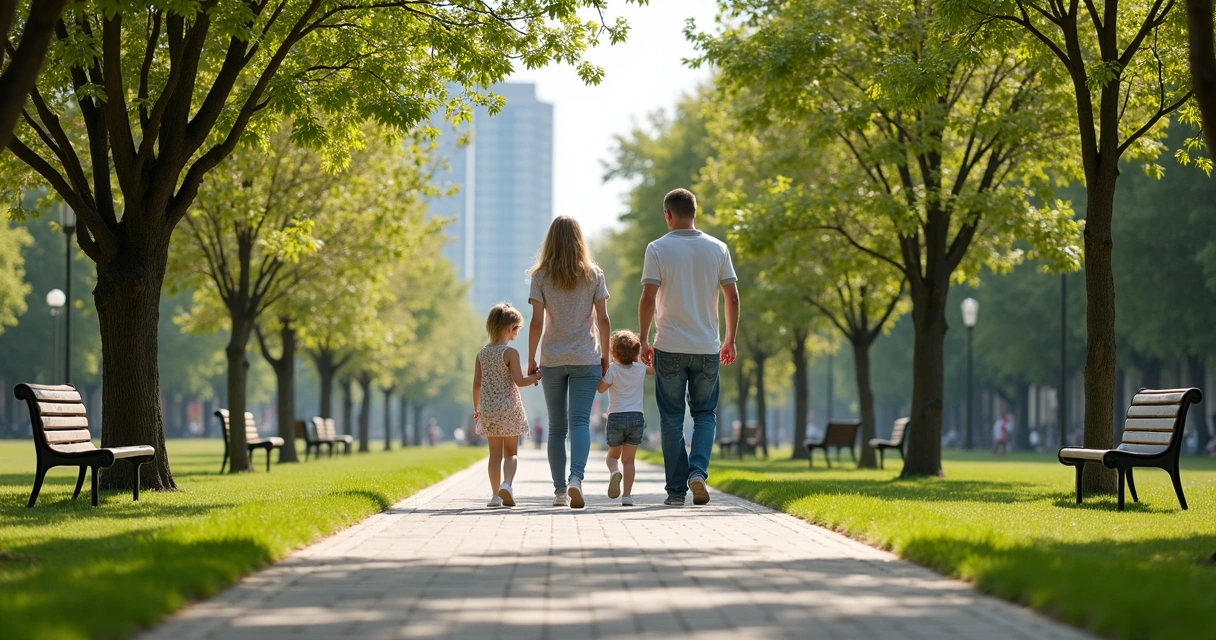
In cities, I often see families treat movement as one more task. That can make exercise feel heavy. Walking is easier. It fits real life. A short walk to school, the market, or a nearby park gives the body and mind a break.
Movement clears the noise.
A daily walk is one of the easiest self-care habits for busy families.
If the area feels too crowded, try early morning or late afternoon when streets are calmer. Even indoor malls or covered paths can help on rainy days.
3. Create one screen-free moment every day
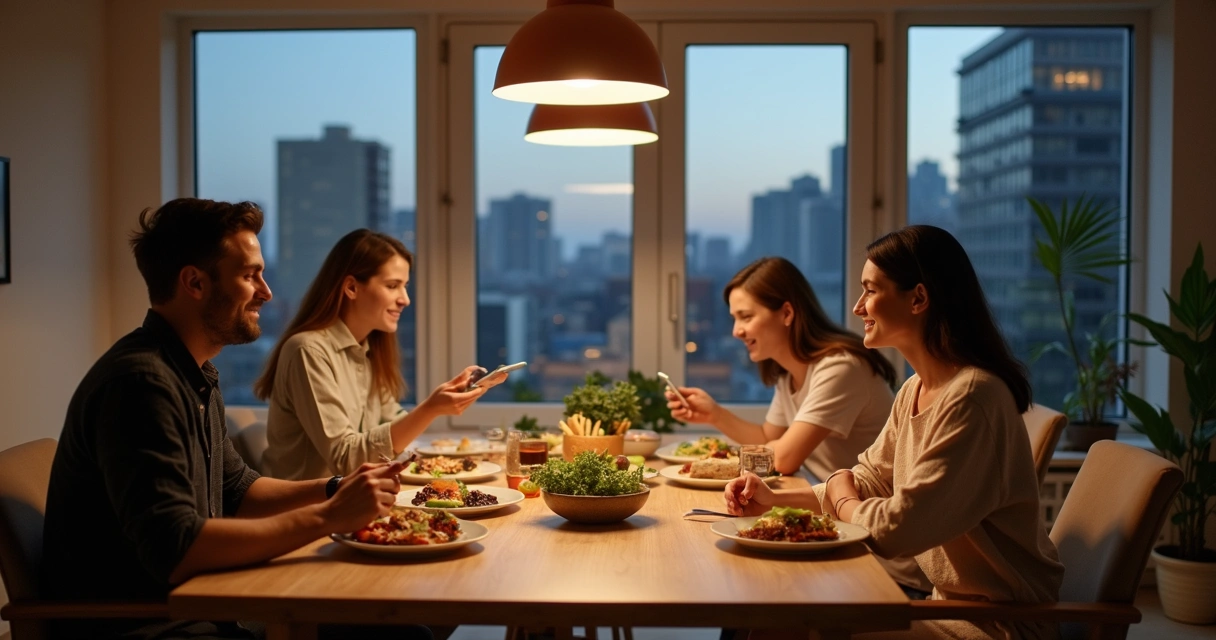
I am not against phones or tablets. They are part of urban life. Still, I think every family needs one part of the day without alerts, videos, or scrolling. Dinner is often the best choice because it already brings people together.
That moment can be used for:
- Talking about one good part of the day
- Eating slowly
- Noticing if someone feels tired or tense
- Planning the next day with less pressure
I have seen how even quiet families open up more when screens are not between them.
4. Keep grooming and hygiene as a ritual
Self-care is also physical. Hair, skin, nails, and body care are not shallow habits. In my view, they help people feel respected, fresh, and more at ease in social spaces. That matters a lot in dense urban settings where people are always in contact with others.
I like the idea of turning grooming into a positive family ritual instead of a rushed duty. A haircut, a clean shave, a simple skincare routine, or a calm wash before bed can create structure. This is one reason I see value in spaces like Underground One, where personal care is tied to confidence, inclusion, and real human connection.
5. Plan one indoor reset space at home
Many city homes are small. I know that. Still, I believe every family can create one corner that feels softer and calmer. It does not have to be a full room. A chair by the window, a floor mat, or a reading nook can be enough.
A reset space helps family members pause before stress grows too big.
In that space, people can read, stretch, breathe, or sit quietly for a few minutes. Children also benefit from having a calm place that is not linked to punishment or schoolwork.
6. Protect sleep like a family rule
Urban life can push bedtime later and later. Lights stay on. Traffic continues. Screens glow. I have learned that poor sleep makes everything harder, from patience to focus to mood.
Families can protect sleep with a few direct habits:
- Keep bedtime and wake time close each day
- Dim lights one hour before bed
- Avoid heavy meals very late at night
- Use quiet routines like reading or warm baths
For parents, this may sound obvious, but obvious habits are often the first ones lost in a busy week.
7. Make weekends less crowded
I used to think weekends had to be full to feel fun. Now I think the opposite. If a family spends the whole week in noise and movement, a packed weekend can leave everyone more tired than before.
Try choosing one slower activity each weekend. It could be breakfast at home, a visit to a local green area, or time together in a wellness space. I find that families bond more when they stop trying to do too much. If you enjoy learning new care routines or lifestyle ideas, you can also browse the content library for inspiration.
8. Eat with more intention
City life makes rushed meals common. Food delivery, eating in transit, and skipping meals can become normal. I do not think families need perfect diets, but I do think they need more mindful eating.
This can mean planning a few simple meals ahead, keeping fruit visible, or drinking more water during the day. Shared meals also support emotional care. They bring structure and help people check in with each other.
If you like practical lifestyle reflections, I suggest reading pieces such as this family care article, this routine-focused post, and this wellness perspective. I find that short reads can give useful ideas without adding pressure.
9. Build community, not just routine
One thing I have seen in big cities is this: people can be surrounded by others and still feel alone. Self-care is not only private. It also grows through healthy contact with people who make life feel lighter.
That may mean talking to neighbors, meeting relatives more often, or visiting places that welcome all kinds of families. Underground One speaks to this well because care becomes more meaningful when it includes belonging and expression, not only a service.
10. Book care before burnout happens
I think one of the biggest mistakes families make is waiting until stress becomes too strong. Self-care should happen before that point. A haircut, a spa visit, a peaceful treatment, or even time set aside for personal renewal can keep tension from building up.
Good self-care is not an escape from life. It is support for living it better.
I always come back to that idea. Small care now prevents deeper exhaustion later.
Conclusion
Urban family life will probably always feel fast. I do not think the answer is to chase a perfect routine. I think the answer is to build habits that feel human, calm, and possible. Start the morning more gently. Walk more. Protect sleep. Share meals. Care for the body. Stay connected.
If you want to bring more care, style, and belonging into your family routine, I invite you to get to know Underground One and its point of view and experience services made to support real self-care in urban life.
Frequently asked questions
What is self-care for urban families?
Self-care for urban families means daily habits that protect physical, mental, and emotional well-being while living in a busy city. I see it as a mix of rest, movement, hygiene, healthy routines, and quality time together.
How to start self-care habits at home?
I suggest starting small. Pick one habit, such as a calmer breakfast, a screen-free dinner, or a fixed bedtime. When one habit feels natural, add another. Small steps are easier to keep.
What are easy self-care activities indoors?
Indoor self-care can include stretching, reading, skincare, breathing exercises, music, shared meals, quiet play, and warm showers before bed. These are simple, low-cost ways to slow down at home.
Where to find safe parks nearby?
I usually suggest checking local city maps, municipal apps, neighborhood groups, or asking nearby schools and community centers. Look for parks with clear paths, lighting, visible staff, and steady family use during the day.
Is it worth it to prioritize self-care?
Yes, I believe it is. When families care for rest, grooming, connection, and mental calm, daily life feels less heavy. Self-care supports better moods, stronger bonds, and a healthier home rhythm.