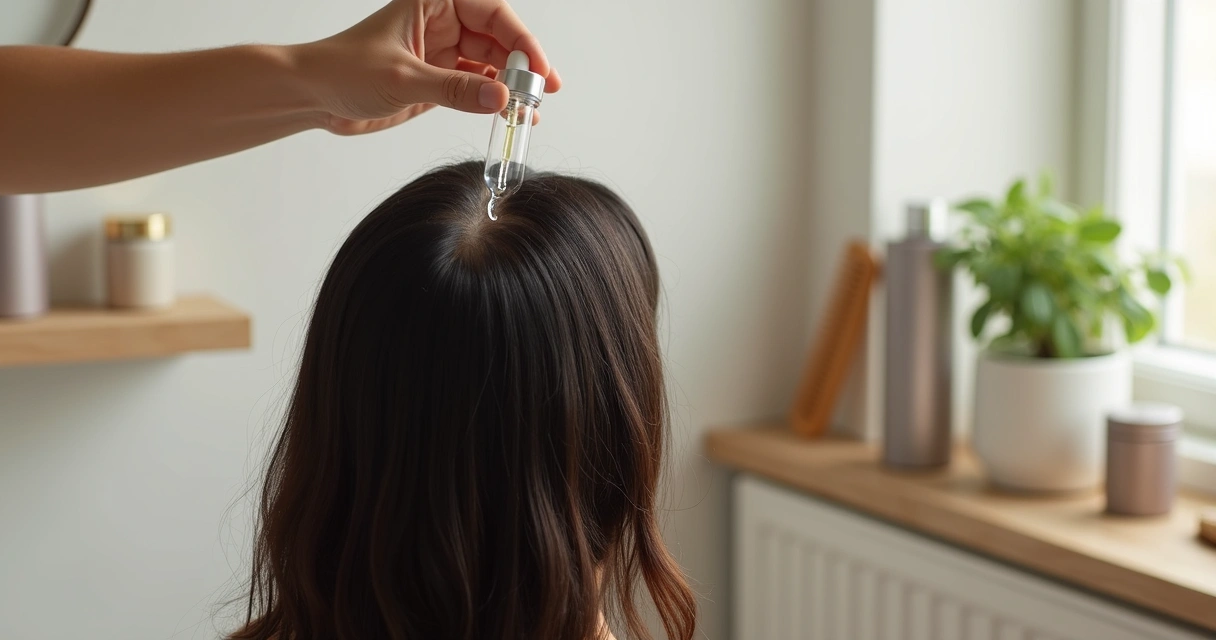
I have noticed that many people talk about hair as if it starts at the ends. In my experience, it starts much earlier. It starts at the scalp. When the scalp feels balanced, clean, and calm, hair often looks better too. That is why scalp care has become a bigger part of hair routines in 2026, and I think that shift makes sense.
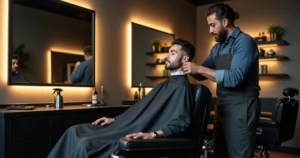
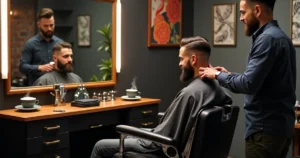
At places like Underground One, where personal care is tied to style, comfort, and self-expression, scalp health fits naturally into the full experience. A good haircut or treatment can look even better when the skin under the hair is getting proper care too.
Healthy hair begins at the scalp.
Why scalp care matters more now
I used to think scalp care was only for people with dandruff or itching. Over time, I saw that this was too limited. The scalp is skin. It deals with oil, sweat, product buildup, sun, friction, and stress. If I ignore all that, the hair around it can lose bounce, shine, and softness.
Scalp care means keeping the skin on your head clean, balanced, and comfortable so hair can grow in a better environment.
In 2026, more people are also using styling products, dry shampoo, heat tools, and tighter hairstyles. These habits are not always bad, but they can leave residue or stress the scalp. I think that is why simple scalp routines are getting more attention now.
How I tell when my scalp needs help
Sometimes the signs are obvious. Sometimes they are easy to miss. I have learned to pay attention before discomfort gets worse.
These are the signs I watch for:
Itching that keeps coming back
Greasy roots soon after washing
Dry flakes on dark clothing
Tightness or soreness at the roots
Buildup that makes hair feel heavy
Redness after using certain products
If I notice more than one of these at once, I usually review my routine. Often, the problem is not one big issue. It is a few small habits adding up.
My simple scalp care routine
I prefer routines that are easy to follow. Most people do not need ten steps. A few smart habits can do a lot.
Here is the order I like to follow:
Brush gently before washing to loosen surface buildup.
Wash the scalp with a product that matches my skin type.
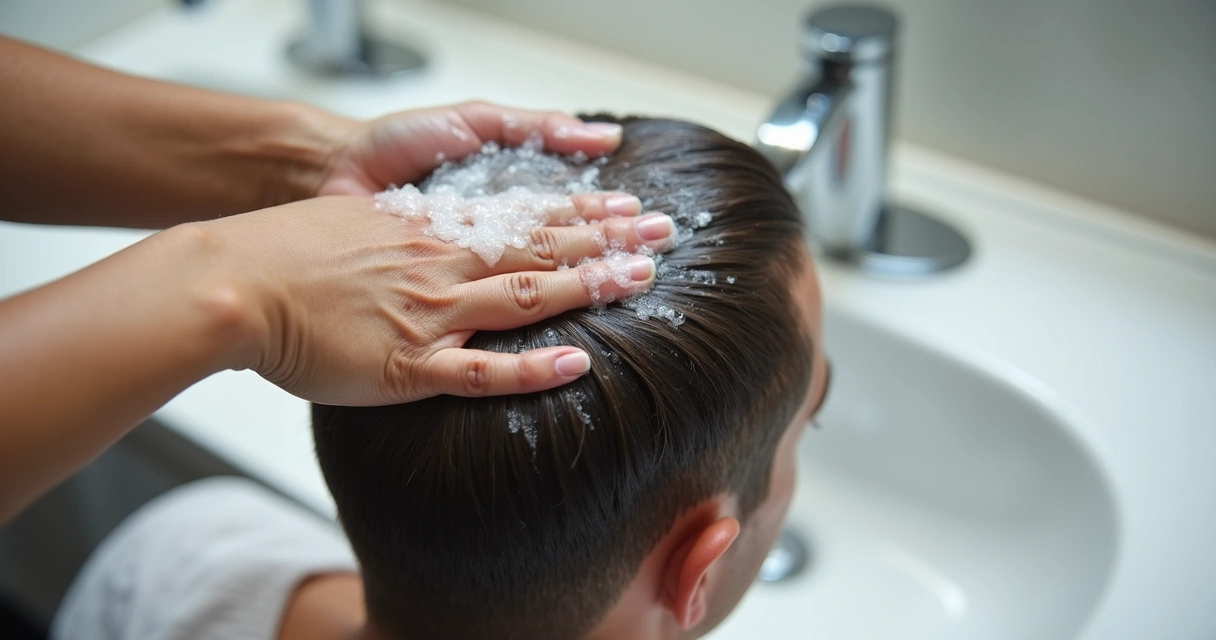
Massage with fingertips, not nails, for about one minute.
Rinse well so no residue stays behind.
Apply conditioner on mid-lengths and ends, not on the scalp unless the formula is made for it.
Dry the scalp fully after washing, especially if hair is thick.
A clean scalp is not the same as a stripped scalp, so I avoid washing so aggressively that the skin feels dry and tight.
I find that balance matters more than intensity. If I overdo it, my scalp often reacts by getting oilier or more irritated.
Choosing products without making it hard
I think product choice gets confusing fast. The easier way is to start with your scalp condition, not with trends.
If my scalp feels oily, I look for light cleansing formulas. If it feels dry, I choose gentle and soothing products. If I have buildup, I may add a scalp scrub or clarifying wash once in a while. If I have sensitivity, I avoid harsh fragrance and strong formulas that leave a burning feeling.
This simple guide helps me:
For oily scalp, I choose a balancing shampoo.
For dry scalp, I choose a mild hydrating cleanser.
For flakes, I use a targeted anti-flake product if needed.
For buildup, I use a deeper cleansing product once every week or two.
The best scalp products are the ones that match your scalp’s real needs, not just your hair type.
I also like getting advice from trained professionals. That is one reason spaces such as Underground One can be helpful. A barber, stylist, or scalp-focused care professional may notice patterns that I miss at home.
Habits that quietly damage the scalp
Some scalp issues come from daily habits that seem harmless. I have made a few of these mistakes myself.
The most common ones are:
Using very hot water on wash day
Scratching with nails during shampooing
Leaving dry shampoo on for too long
Wearing tight hairstyles every day
Sleeping with the scalp still damp
Layering too many products at the roots
One week, I kept using styling spray near my roots and wondered why my scalp felt heavy and itchy. The fix was simple. I washed more thoroughly, reduced root product, and the feeling changed fast. Small adjustments can do a lot.
If you like learning more about grooming and care habits, I suggest visiting the Underground One author page and checking related topics through the site search.
Scalp care and hair loss
I want to be careful here. Not all hair loss starts with the scalp, and scalp care is not a cure for every cause. Hormones, health changes, age, stress, and genetics all play a part. Still, poor scalp condition can make things worse.
If the scalp is inflamed, clogged, very oily, or covered in buildup, the hair environment is less comfortable. That does not always cause major shedding by itself, but it can add stress where hair grows.
Good scalp care can support healthier hair growth conditions, but it does not replace medical care when hair loss is severe or sudden.
If I notice sudden thinning, bald patches, pain, or a lot of shedding, I do not wait too long. I seek a professional opinion. Early action is often wiser than guesswork.
Simple support from food, stress, and routine
I do not think scalp care ends in the shower. Daily life shows up on the scalp too. When I sleep poorly, feel stressed, skip balanced meals, or stay too long in the sun without protection, my skin often reacts. The scalp is no different.
These habits help support my routine:
Drinking enough water during the day
Eating foods with protein, iron, and healthy fats
Managing stress with rest and steady routines
Protecting the scalp from strong sun when outdoors
I also think consistency beats perfection. A simple plan I can keep is better than a complex one I stop after a week. For more reading on self-care and grooming topics, I like to point people to practical care ideas, daily routine inspiration, and other beauty and wellness content.
Conclusion
I think scalp care in 2026 is less about trends and more about paying attention. When I keep the scalp clean, calm, and balanced, my hair usually responds in a visible way. It feels lighter, looks fresher, and behaves better. That is not magic. It is care at the root.
If you want a more guided self-care experience, I invite you to get to know Underground One and book a service that supports both scalp health and personal style in a welcoming setting made for real connection.
Frequently asked questions
What is scalp care?
Scalp care is the practice of cleaning, soothing, and maintaining the skin on the head so it stays balanced and comfortable. I see it as skin care for the scalp, with habits that reduce buildup, dryness, excess oil, and irritation.
How to keep scalp healthy?
I keep my scalp healthy by washing it with the right product, massaging gently, rinsing well, avoiding heavy buildup, and not using nails to scratch. I also support it with good sleep, balanced food, hydration, and sun care when needed.
What are the best scalp products?
The best scalp products depend on the scalp condition. In my experience, oily scalps do better with balancing cleansers, dry scalps need gentle hydrating products, and buildup may need an occasional clarifying wash. If flakes or irritation persist, a targeted product may help.
How often should I wash my scalp?
I think washing frequency depends on oil level, lifestyle, hair density, and product use. Some people do well washing every day or every other day, while others need only two or three washes a week. The best guide is how the scalp feels, not a fixed rule.
Can scalp care prevent hair loss?
Scalp care can help create better conditions for healthy hair, and that may reduce issues linked to buildup or irritation. Still, it cannot prevent every type of hair loss. If hair loss is sudden, strong, or patchy, I believe it is wise to seek professional advice.