If someone asked me the secret to a thriving beauty salon, I would say it’s not only about the skills behind the chair or offering the latest trends. Over the years, what keeps clients coming back is a genuine feeling of belonging and trust with every visit. In a world where options are everywhere and trends change rapidly, building loyalty is both an art and a science. In this article, I want to share what I’ve learned about making salon clients not just satisfied, but truly loyal.
Understanding today’s salon clients
Today, clients expect so much more than a cut and color. Self-care has grown to mean personal expression, relaxation, and even community. When I look at projects like Underground One, I see that loyalty comes from more than a great haircut. It comes from an experience that matches modern needs: authenticity, diversity, and connection.
- Clients want to feel understood and valued, not just processed through another appointment.
- They expect tailored experiences, attentive service, and a sense of trust.
- More people see beauty salons as places to recharge, learn about themselves, or even connect with others who share their values.
Understanding this shift is the foundation for building loyalty. Everything else builds from there.
Creating unforgettable experiences
When it comes to loyalty, every detail of the salon visit matters. I always think about what my clients see and feel from the moment they arrive until they leave.
People remember how you made them feel.
Here are the most reliable steps I take in creating a memorable experience:
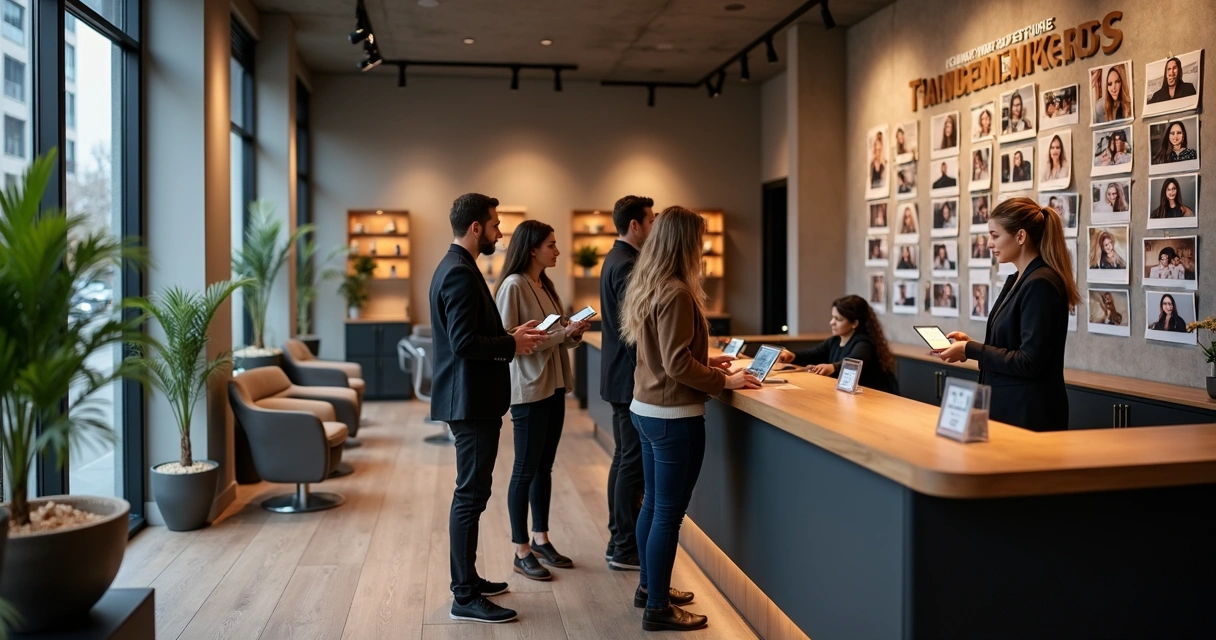
- Warm welcomes. Whether it’s a friendly receptionist or a cozy waiting area, those first moments set the mood.
- Personal attention. Listening carefully during consultations, asking questions, and remembering preferences.
- Consistency. Every visit, no matter who’s providing the service, should meet the same quality standards.
- Comfort. Thoughtful touches like refreshments or gentle lighting help people relax.
- Aftercare advice. Helping a client maintain results at home shows you care beyond the appointment.
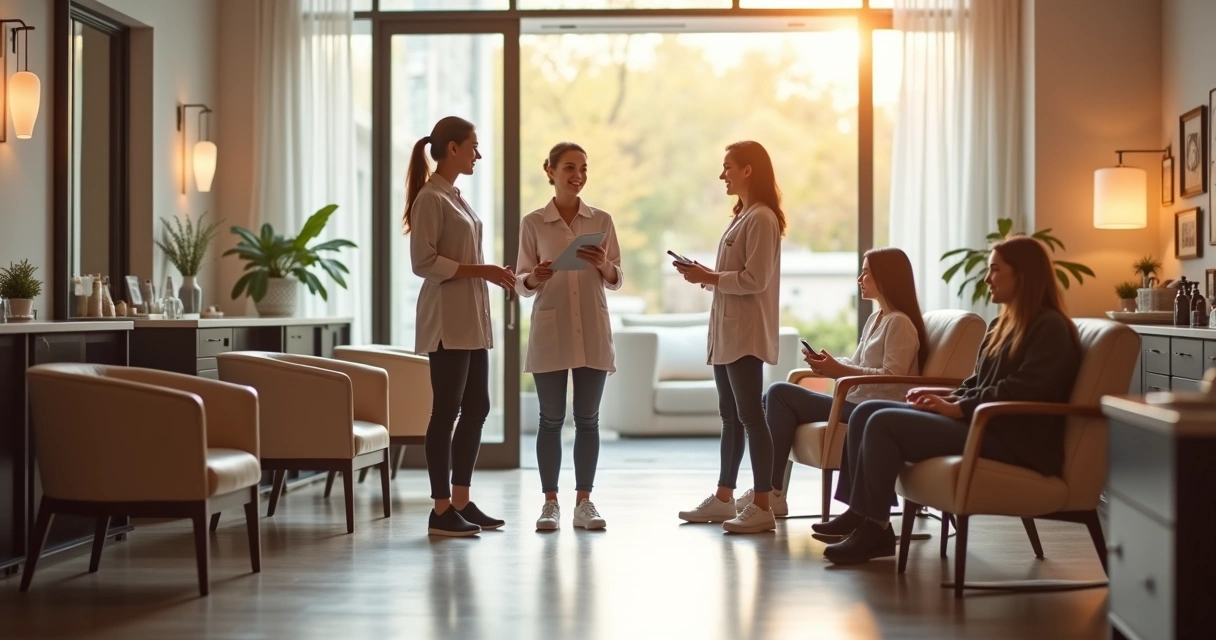 Behind these steps is genuine care. When people feel comfortable and cared for, they return, and they tell others.
Personalizing every interaction
I’ve noticed the difference when I remember details about a client’s life or preferences. Maybe it’s recalling the shade of color from their last visit, or asking about a recent celebration they mentioned. This isn’t just polite, it’s powerful.
True personalization turns a one-time visitor into a regular client.
To keep track of these details, I recommend:
- Keeping client notes (securely) in your scheduling system
- Using reminders for birthdays or important milestones
- Sending tailored service recommendations or even a simple check-in message
Projects like Underground One take all of these strategies a step further by connecting the salon with wellness, education, and creativity, so personalization can even include invitations to workshops or special cultural events. This builds not just knowledge, but real community.
Building a sense of community
Many clients return because they connect with more than the services, they feel part of something. I try to make my salon a small hub in the city, a place for sharing and discovery.
Community can take different forms, for example:
- Hosting themed days, talks, or classes (anything from haircare tutorials to art showcases)
- Collaborating with local artists or brands
- Encouraging team members to show their uniqueness, making the space welcoming to all
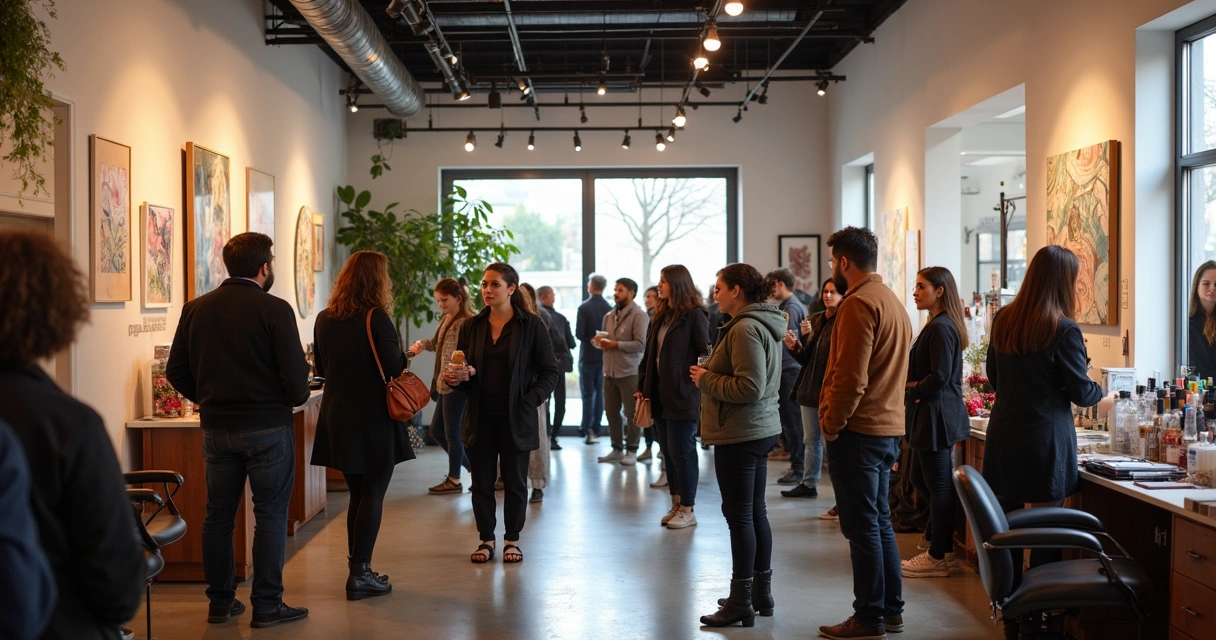 Salon loyalty often grows on this sense of belonging. When clients see a salon as their community, they’re far less likely to look elsewhere.
Rewarding loyalty thoughtfully
I have seen great results from simple loyalty programs. The trick? Make them feel personal, not just like a discount code in an inbox.
- Give meaningful rewards such as free services after a certain number of visits, or early access to new treatments.
- Celebrate milestones: custom gifts on anniversaries, or small surprises for birthdays.
- Invite regulars to try new services first and ask for their feedback.
The best loyalty programs value the long-term relationship, not just the transaction.
At Underground One, for example, clients experience exclusive invitations to workshops and preview events. This sort of approach makes people feel truly valued and more likely to stay connected.
Training and motivating the team
Every staff member, from reception to senior stylist, is a touchpoint for loyalty. I found that regular training in both technical and social skills ensures every client interaction is positive and consistent.
Your team is your brand’s voice and heart.
Ways to strengthen the team’s ability to foster loyalty:
- Offer workshops not just on beauty, but on empathy, communication, and problem-solving.
- Encourage staff to express their style and personality, showing clients diversity and authenticity.
- Share feedback openly, both praise and ways to improve.
This has worked well for projects like Underground One, where the team embraces variety and the ongoing pursuit of learning, as you can read more about in their company stories.
Smart communication and digital connection
People expect quick, clear communication. That means automated confirmations, reminders, and easy ways to ask questions. But I think going further makes a difference: like sharing style inspiration on social media, offering real advice, and featuring stories from clients and staff.
For those wanting to discover more about how salons like Underground One use communication for loyalty, this post dives deeper into those aspects.
Always listen, adapt, and improve
No number of rewards or clever marketing beats listening to feedback. I always ask clients about their experience. Their suggestions have changed the way I offer services, from product choices to the music playing in the background.
You can use:
- Short in-person conversations at checkout
- Digital surveys
- Anonymous feedback boxes
Adapting based on real client feedback is the secret to staying relevant and appreciated.
If you want to see more ideas about adapting salons for future trends, I found a useful resource here.
Conclusion: The loyalty advantage
In my experience, building loyalty in a modern beauty salon takes more than technical skill. It’s about relationships, community, and making each client feel truly seen. Places like Underground One prove this works, with their mix of personal care, creativity, and welcoming spaces.
If you’re interested in seeing how connection and authenticity shape loyalty, I encourage you to visit Underground One or search their blog for other practical tips. Join us in changing the way salons foster real, lasting client loyalty.
Frequently asked questions
What is client loyalty in beauty salons?
Client loyalty in beauty salons means clients consistently choose the same salon for services, form a relationship with staff, and even recommend the salon to friends and family. Loyalty grows from trust, good experiences, and a sense of belonging.
How can I keep salon clients loyal?
To keep clients loyal, I focus on personalizing every visit, listening to their needs, offering top-quality services, and making sure they feel valued. Building a sense of community and sending tailored communications also helps a lot.
What are the best loyalty programs?
The best loyalty programs are easy for clients to join and offer rewards that feel personal and meaningful, like free treatments or invitations to special events. Programs should always focus on building long-term connections, not just giving discounts.
Is it worth it to offer rewards?
Offering rewards is a positive way to show appreciation to loyal clients and motivate them to return. I’ve seen that rewards make clients feel noticed and valued, and they can increase both repeat visits and referrals.
How can staff improve client loyalty?
Staff play a huge role in loyalty. By greeting clients warmly, remembering details about them, delivering consistent quality, and showing real care, staff turn routine appointments into special experiences. Regular training in communication is also very useful.