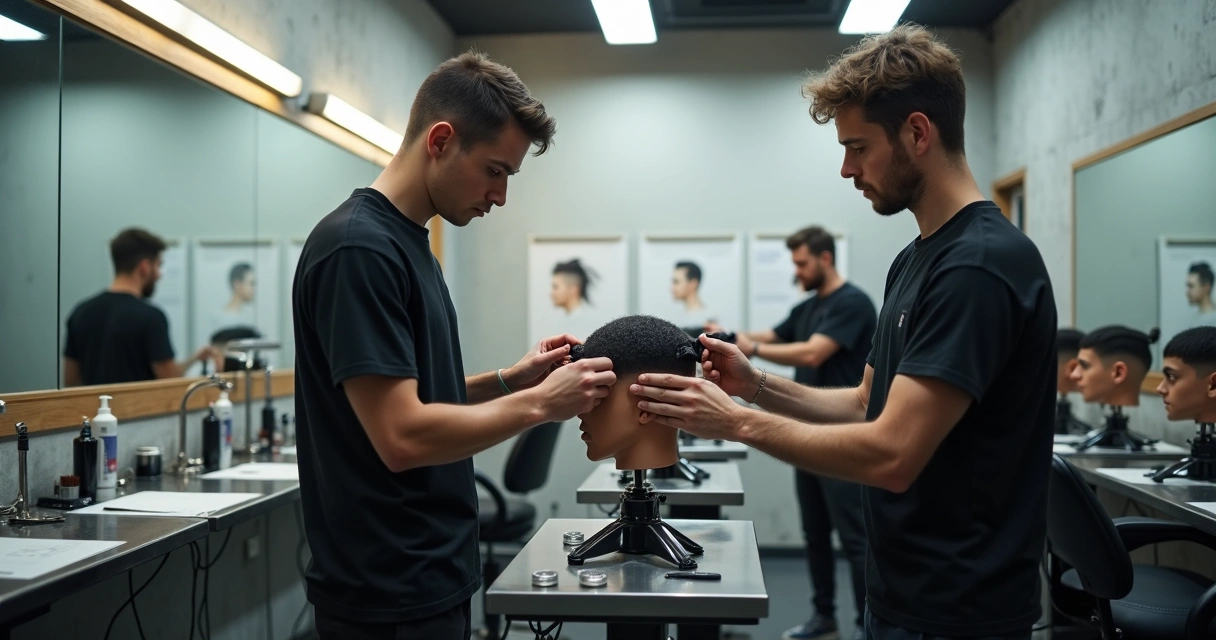
Starting on the path to becoming a barber is exciting, but it’s easy to stumble in ways you simply don’t see coming. In my years of teaching, observing, and learning within spaces like Underground One—a group known for welcoming both new and seasoned professionals—I’ve watched beginners make the same mistakes over and over. Today, I want to show you what to avoid and why these oversights can shape your career for years.
Missing the basics: Don’t skip the foundation
I’ve seen many aspiring barbers jump right to fades, beard designs, or styling products, thinking these are the skills that matter most. What I wish I could tell every student is this:
“Your basics are your safety net.”
If the fundamentals aren’t second nature, advanced techniques crumble. Some of the most common basic mistakes I see are:
- Poor grip on the clippers or shears, leading to uneven results
- Neglecting to section hair before starting a cut
- Forgetting to loop in client consultation
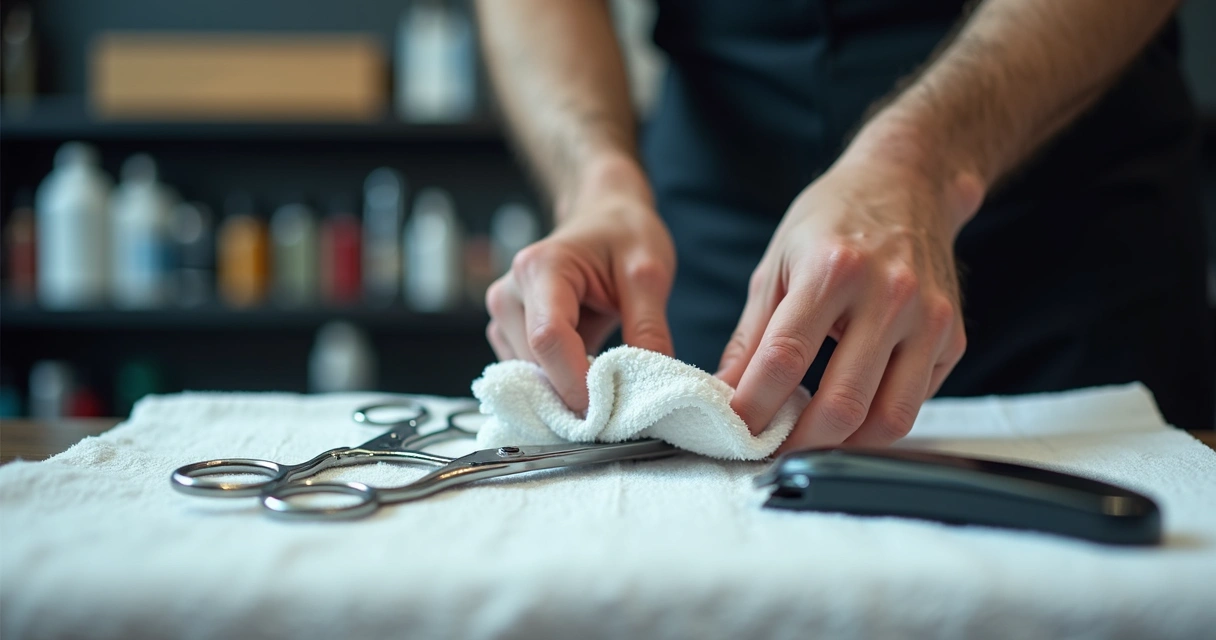
- Ignoring the need for clean, sanitized tools
The healthiest progression in barber training begins with true mastery of hygiene practices, basic cutting, proper tool handling, and clear communication. Trying to skip these steps almost always backfires.
Neglecting hygiene and client safety
Let me be blunt—nothing ruins a barber’s reputation faster than ignoring hygiene. At Underground One, we drill this in every training. Still, many newcomers get careless or simply do not realize the lasting impact poor hygiene can have. Sometimes it’s not intentional, but the risk is the same.
Key mistakes here include:
- Using unclean combs or brushes between clients
- Overlooking blade sanitization
- Touching faces or hair without freshly washed hands
- Forgetting to sweep the floor, creating a slip hazard
Clients notice. Even one slip can mean a bad review or worse—a lost customer for life. In places that value community and trust, like our own locations, safety is not up for debate.
Bad habits with tools: Clipper overuse and scissor shyness
This next mistake is easy to miss when you’re new. Many students develop what I call ‘clipper autopilot.’ It feels safer and faster, but that dependence becomes a problem, especially if you never practice your scissor work.
Don’t let your tools limit you.
Beginner barbers often overuse clippers because they fear messing up with scissors. But scissor skills give you control and finish that machines alone never will. If you notice yourself skipping comb-and-scissor techniques or dreading texturizing, it’s a sign to stop and refocus on your weak points.
Ignoring head shape and hair growth patterns
I learned early that no two heads are the same. Yet, in early training, it’s common to treat all clients alike—one haircut fits all. That’s a mistake I see often, and the results are clear: uneven lines, awkward lengths, or styles that simply don’t suit the person in your chair.
 Pay close attention to:
- The natural shape of the skull as you work
- Which way hair grows or parts (cowlicks, whorls, etc.)
- Side-to-side symmetry before and after cutting
Learning to adjust your approach to each client will define your skill—and set you apart from average barbers. If you want to see how individual expression works in barbershops, reading about our creative approach at Underground One can offer more examples in this direction.
Rushing the learning process
I know how tempting it is to move fast. Nearly every new barber says the same: “When will I be able to do this on my own?” But rushing means skipping steps, and you see the cost in the results. You end up repeating corrections, developing stress, and risking your confidence.
- Taking shortcuts during fades and blends
- Forgetting to double-check symmetry in the mirror
- Feeling pressured to finish quickly, even when more time is needed
Practice, review, and accept feedback. Every advanced barber I respect took time to build their craft with patience. Keep this lesson close if you want to avoid the setbacks so many face.
Poor communication: Listening is part of the job
It’s easy to believe barbering is all about your hands. In fact, your ears are just as valuable. When you jump into cutting before understanding what your client wants, mistakes multiply. I’ve observed more recoverable errors from poor listening than from technical slips.
“Good haircuts start with good conversations.”
Ways I’ve learned to improve this in training:
- Always repeat back what the client describes
- Use reference images where possible
- Ask clarifying questions about length, sideburns, neckline, and finishing touches
This habit has made my work more consistent and clients a lot happier. If you’re interested in practical tips, I recommend checking the posts by Underground One’s educators—try their examples on consultation strategies.
Lack of aftercare advice and product knowledge
When I was new, I’d hand my client the mirror and stop there. I see this today in beginners—no aftercare, no guidance. Your haircut won’t last or look good if you don’t give advice on what to do at home or which products support the style.
Skipping this step is a mistake because:
- Clients feel lost and may not return
- Your reputation as a true professional suffers
- You miss the chance to educate and connect
Today, I always finish with a quick summary and a product recommendation suited to the client’s hair and lifestyle. If you don’t know which products work best for different needs, start studying. Underground One has resources that help their team stay updated—integration between salon, spa, and barbershop helps a lot here.
Forgetting to seek feedback and continue learning
The best barbers never stop learning. Sadly, many beginners think passing an exam or finishing formal training means their education is done. This mindset can stall your growth and keep you locked at a beginner level for years.
Here’s how to avoid this mistake:
- Join communities for regular feedback—there’s one on our author’s space here
- Keep a photo log of your cuts and review them
- Study tutorials and real client cases through professional insights
 Constant improvement is the only way to stay ahead—and to serve clients with the respect and care they deserve.
Conclusion: Set your standard, rework your habits
Starting in barber training is not just about cutting hair—it’s about learning how to stay safe, listen well, handle tools, and create excellent experiences for each person who walks in. At Underground One, the push for modern, thoughtful, and inclusive care is what keeps barbers growing into true professionals.
If you want to set a high standard for your future in barbering, avoid these common mistakes and take part in real learning and community. Explore more of our vision, inspiration, and opportunities for your training on our full content portal.
Frequently asked questions
What are common beginner barber mistakes?
Some of the most common mistakes I see beginners make in barber training are neglecting hygiene, skipping basic foundations, overusing clippers, ignoring head shapes, rushing through cuts, and missing out on client communication. Each of these can hold you back professionally, so set habits early to avoid them.
How to avoid uneven haircuts?
In my experience, uneven results come from not paying attention to hair growth patterns, failing to check your work from multiple angles, and not sectioning hair properly before cutting. Slow down, use both the mirror and your hands, and always review your cut from all sides before presenting it to your client.
Is professional training worth it for barbers?
Professional training gives you confidence with hygiene, tool skills, client communication, and the latest styles—building a solid foundation that is very hard to achieve solo. Environments like Underground One support you not just with training, but also with ongoing learning and community.
What skills do beginner barbers need?
New barbers should be confident in tool handling, basic cutting techniques, sanitation, consultation, and aftercare advice. Over time, skills in blending, beard work, style adaptation, and effective communication with clients will all help your professional growth.
How can I improve barber techniques?
From what I’ve seen, the fastest way to improve is by practicing regularly, seeking feedback, reviewing your own work, and learning from professionals. Check out community resources and educational content, like the resources at Underground One’s article library, for even more real-world tips.